For Italian manufacturing SMEs, 2026 is a transition year. The Transizione 5.0 tax credit, in force for projects completed by 31 December 2025, is replaced by a new hyperamortization regime introduced by the 2026 Budget Law (Law no. 199 of 30 December 2025, article 1, paragraphs 427-436), covering investments made from 1 January 2026 to 30 September 2028.
What changes in 2026
Transizione 5.0 was a tax credit. The new regime instead works as an increase in the acquisition cost for depreciation purposes on capital goods supporting technological and digital transformation (MEF — Main measures of the 2026 Budget Law). The specific increase rates and operational details are set in paragraphs 427-436 and in the implementing decree sent by MIMIT to MEF in January 2026 (MIMIT press release): they should be verified against the decree before building the business case. The MEF press release of 12 March 2026 also announced the removal of the constraint that limited the benefit to goods produced in the EU/EEA.
Why retrofits, automation and software are covered
The MIMIT Transizione 5.0 FAQs (10 April 2025) clarify that eligible investments include:
- new tangible assets in Annex A, including "smart components, systems and solutions for the management, efficient use and monitoring of energy consumption";
- new intangible assets in Annex B, including business-management software if purchased within the same innovation project with energy dashboarding systems and IoT monitoring.
The same FAQs (section 3.8) state that, for replacement investments, disposal of the existing asset is not mandatory: a line can be modernised without scrapping what still works.
Verified Transizione 5.0 figures
For projects under the Transizione 5.0 regime (started from 1 January 2024, completed by 31 December 2025), the tax credit is structured on three brackets based on energy consumption reduction. For investments up to €10 million: 35% with 3-6% reduction at facility level or 5-10% at process level; 40% with 6-10% or 10-15%; 45% above 10% or 15%. For investments between €10 and €50 million, the rates drop to 5%, 10% and 15% (GSE — Tax credit calculation). Total biennium funding: €6.3 billion; mandatory certification expenses supported up to €10,000 for SMEs (MIMIT FAQs, section 1.4).
How to access — and the operational takeaway
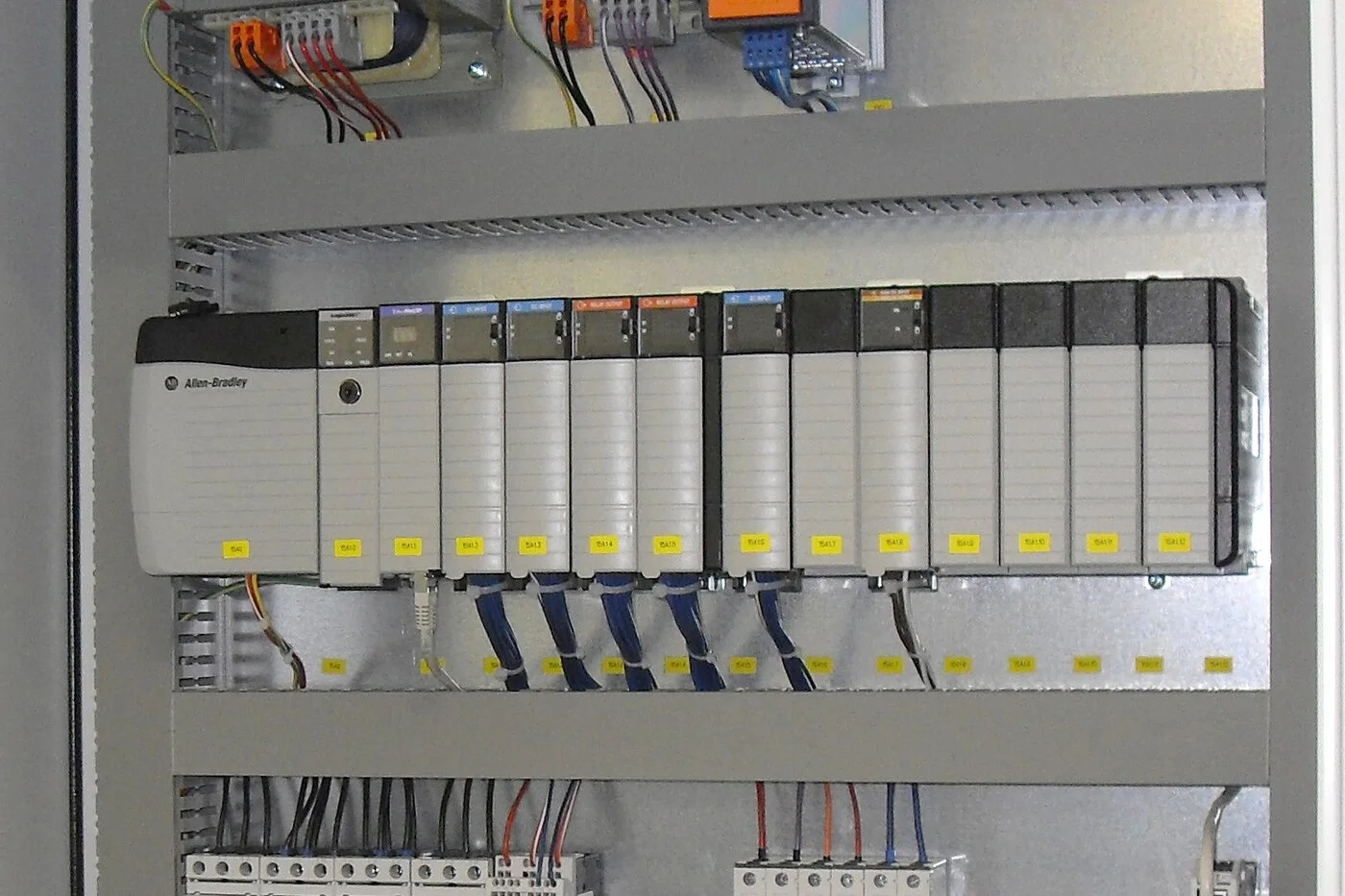
For Transizione 5.0, the company registers in the GSE Client Area and operates through the TR5 portal with SPID: reservation with ex-ante certification, 20% advance within 30 days, project completion and final notification. For the new hyperamortization, the operational framework depends on the implementing decree to be checked on the MIMIT portal. The practical bottom line: you don't need to replace the entire machine to access the benefit. Upgrading a PLC, adding interconnection or installing monitoring software on an existing line falls within the eligible scope, provided the components are new and the project meets the technical requirements.
Are you evaluating a retrofit or interconnection on an existing line?
Get in touch to find out whether the automation, control or software work you have in mind meets the technical requirements of Annex A or B and how to structure the project.
Official sources (data as of 28 May 2026)
- MEF — Main measures of the 2026 Budget Law (hyperamortization, paragraphs 427-436)
- Official Gazette — Law no. 199 of 30 December 2025
- MEF — Press release no. 31 of 12 March 2026 (removal of EU/EEA constraint)
- MIMIT — Piano Transizione 5.0
- MIMIT — Transizione 5.0 FAQs (10 April 2025)
- MIMIT — Implementing decree of the new Piano Transizione 5.0
- GSE — Transizione 5.0 tax credit calculation